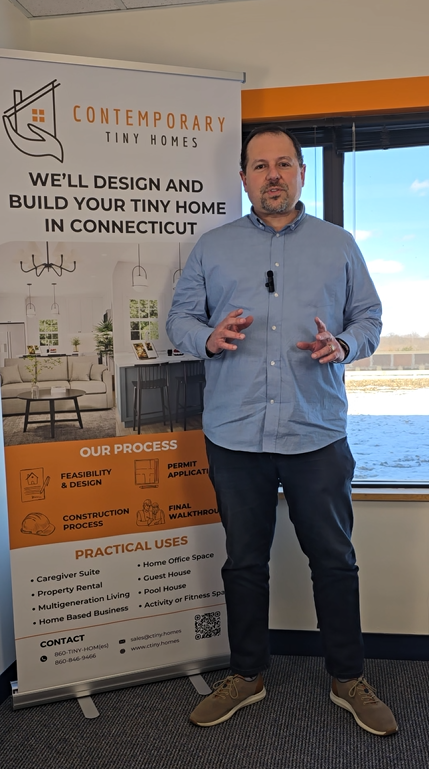
In a market where housing affordability remains a pressing concern, Contemporary Tiny Homes is bringing Accessory Dwelling Units (ADUs) to Connecticut and the broader East Coast region. Founded six months ago by Breno Neri, the company is addressing housing needs by offering custom-built small footprint homes designed specifically for the Northeast’s climate and residential preferences.
Neri, who previously built and sold a broadband internet company in Brazil before completing his PhD in Economics at NYU, has spent the last two decades working for large corporations while developing new products and services. “I felt the urge to go back to my roots and build something for myself,” says Neri. After extensive research, he became interested in the concept of ADUs.
While ADUs have gained significant traction in states like California, which issues approximately 40,000 permits annually, the market remains emerging in the Northeast. However, Connecticut’s Public Act 21-29 from 2021 has created a regulatory framework that enables municipalities to adopt statewide guidelines for ADUs or develop their own local zoning regulations.
“Most towns actually make it quite easy,” Neri explains. “Some towns have expedited processes for obtaining permits for ADUs. In some areas, it’s actually cheaper and faster to obtain a permit for an ADU than it would be for a regular single-family home.”
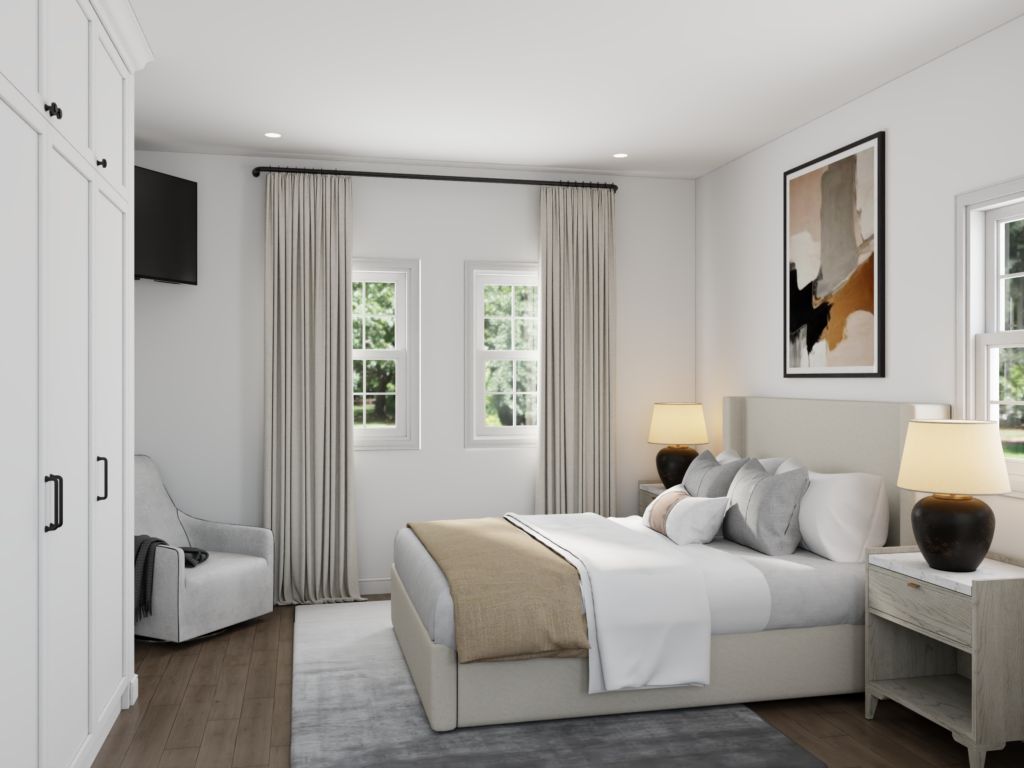
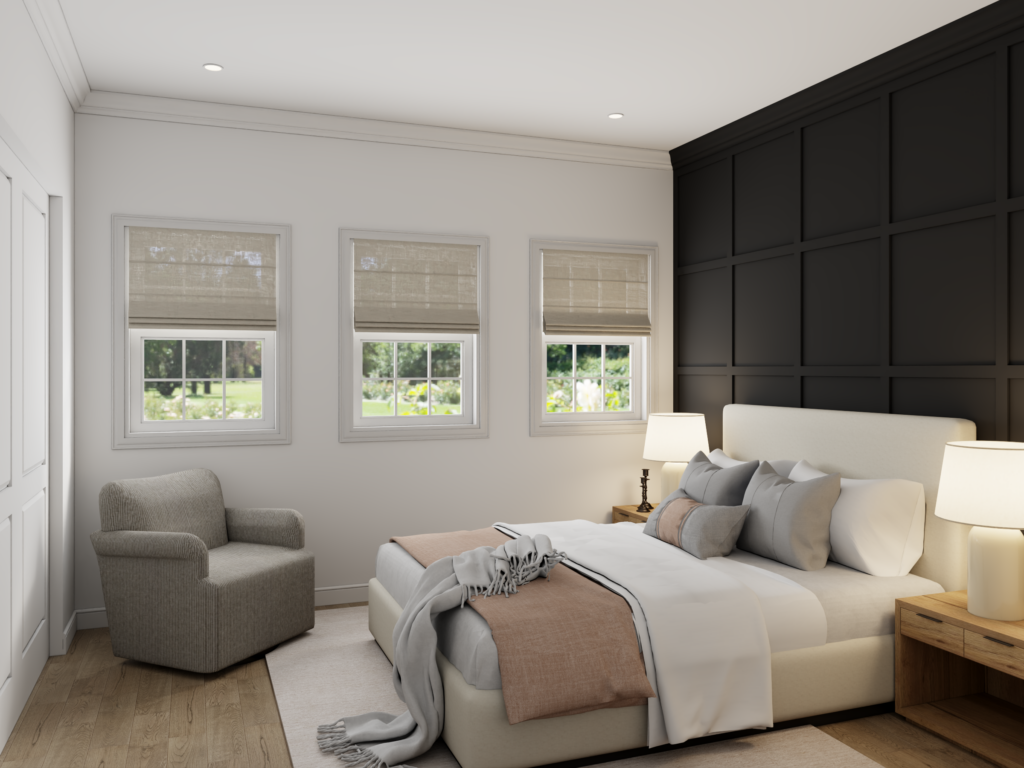
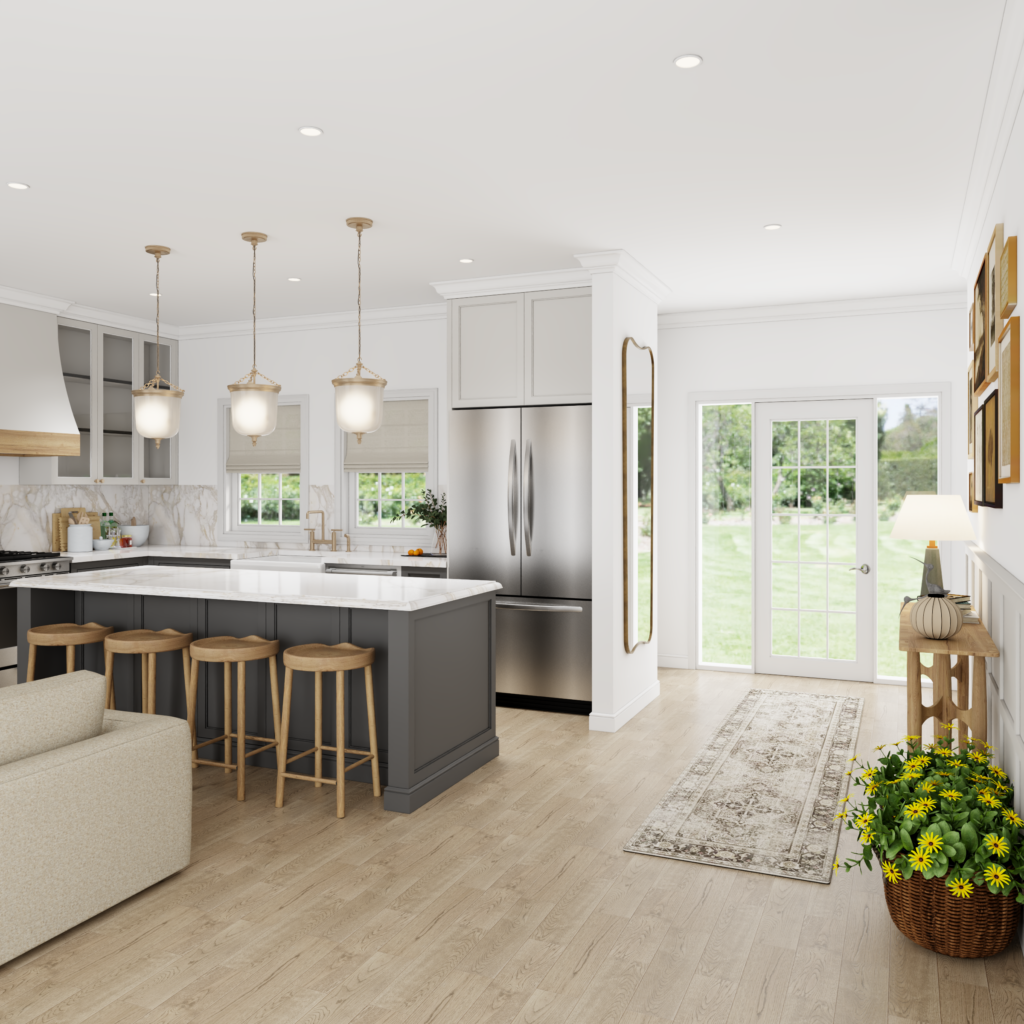
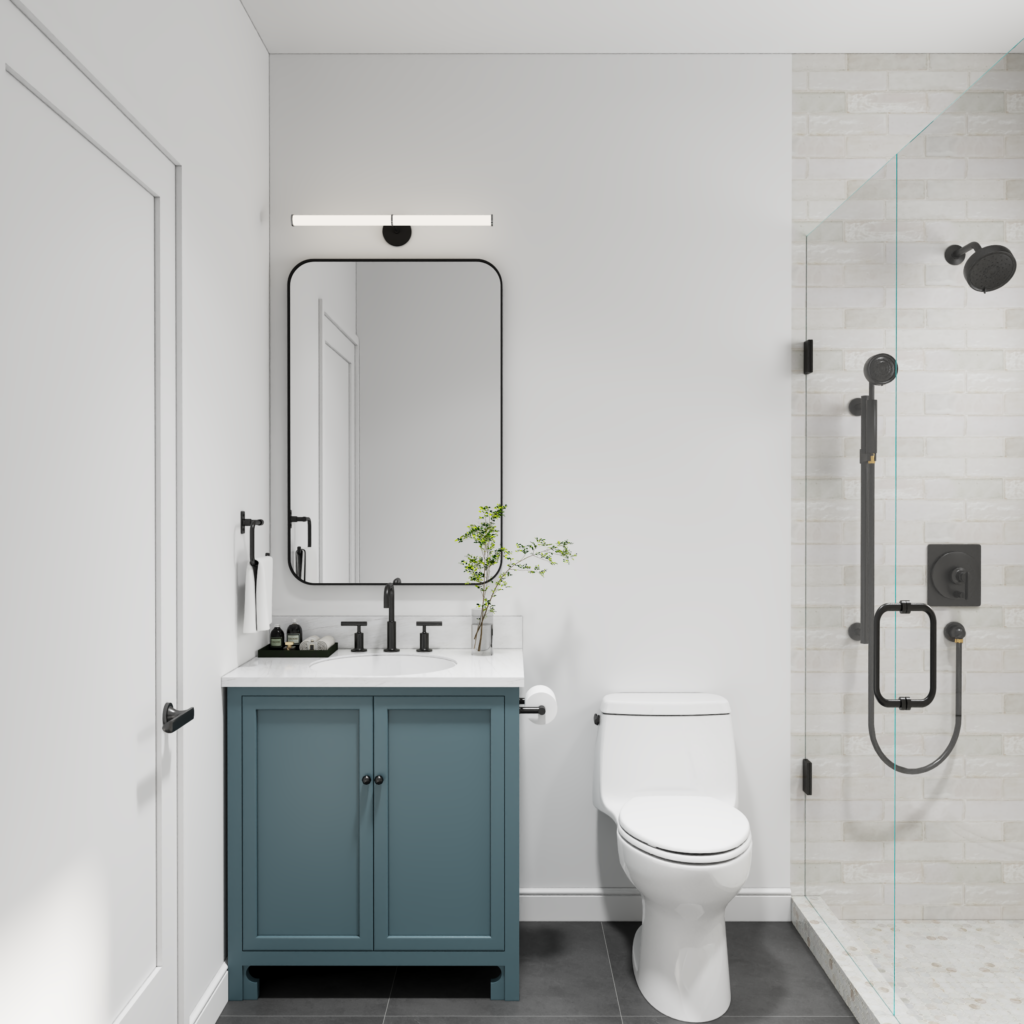
Contemporary Tiny Homes offers fully customizable ADUs ranging from 600 to 1,000 square feet, typically featuring one or two bedrooms. The company employs an in-house designer with over 20 years of experience creating homes in Connecticut, and their construction is led by a director with 40 years of experience building single and multi-family residences in the state.
Unlike prefabricated options common in other markets, Contemporary Tiny Homes builds their units on-site. “The homeowners in Connecticut, especially in Fairfield County, are very discerning and typically know exactly what they want or need,” notes Neri. “Most of our customers prefer something custom where we build entirely on-site.”
The entire process takes approximately six months—one to two months for design finalization and permitting, followed by three to four months for construction. The units come equipped with spray foam insulation, central heating and cooling, and energy-efficient features.
The company has identified several use cases for ADUs. Some homeowners use them as guest houses or pool houses, while others see them as investment opportunities through rental income. However, Neri finds multigenerational living to be particularly compelling.
“Instead of sending aging parents to an assisted living facility, which can be very costly, homeowners can have their parents living in an ADU,” Neri says. “They maintain their independence and privacy while remaining close enough to be checked on regularly. They can be invited for dinner and can help with childcare. Being close to grandchildren may even slow the speed of cognitive decline as someone ages.”
For those concerned about Connecticut’s harsh winters, Neri emphasizes their focus on proper insulation. “Since these homes are smaller, the ratio between surface area and volume is higher than in larger homes. We need to be very judicious about insulating them well to keep heating and cooling costs manageable.” Their units use spray foam insulation throughout and feature high-efficiency electric heat pumps for heating, cooling, and hot water.
Contemporary Tiny Homes also offers financing solutions through partnerships with three main lenders. “You can pay for these ADUs over up to 30 years with no down payment based on the equity of your main home through a HELOC,” explains Neri. “If you’re building a larger two-bedroom, 800 to 1,000 square foot ADU, you might pay around $1,400 per month for the HELOC, but you can rent it out for $2,500 or more.”
The company currently serves Fairfield, New Haven, and Hartford counties, with plans to expand to New London County and eventually into southern Massachusetts and Rhode Island by the end of the year.
“We believe the timing is right for ADUs in the East Coast market,” Neri says. “We’re excited to grow geographically and help people address their housing needs, particularly senior citizens looking to downsize or generate additional retirement income while maintaining their independence.”
For Connecticut homeowners interested in exploring whether an ADU might work for their property, Contemporary Tiny Homes offers a feasibility analysis to determine if their lot meets zoning requirements and other necessary conditions for ADU construction.
This article was sourced from a live expert interview.
Every month we conduct hundreds of interviews with active market practitioners - thousands to date.
Plainfield, Illinois, about 40 minutes southwest of Chicago, spent the last two decades building itself into a family-oriented suburb with good schools, highway access, and prices well below neighboring Naperville. That growth phase worked. Families moved in, raised children, and put down roots. Now many of those original homeowners are entering retirement, and their homes ...
In a city with enough inventory to give buyers real leverage, the segment of the Houston housing market that should be busiest, homes priced between $300,000 and $600,000, is among the slowest to move. Properties below $300,000 are attracting first-time and value-oriented buyers, and listings above $500,000 continue to draw move-up purchasers with less rate ...
Most small mountain towns in the American West have a straightforward real estate story: pandemic-era demand inflated prices, and now those prices are correcting. Taos County, New Mexico, is not following that pattern. Per-square-foot prices there are still climbing, according to Karen Todd, a real estate professional with The Dragonfly Group at Berkshire Hathaway HomeServices ...
A declining median price usually signals a cooling market. In Northeast Dallas, the story is more complicated. The number of homes selling in 2026 has actually increased compared to 2024 and 2025, according to Cindy Dunnican of The Dunnican Team at Coldwell Banker Apex, who has worked the Northeast Dallas market since 1998. But the ...
Large builders in Delaware call their homes “affordable” when prices start at $300,000 to $350,000. For workers earning 40 to 80 percent of the area median income, roughly $35,000 to $60,000 a year in Delaware, those numbers don’t work, even with down payment assistance attached. The gap between what programs label affordable and what service-industry ...
Homeowners who bought during the 2022–2023 building boom in parts of southern Dallas-Fort Worth are discovering an uncomfortable reality: the new homes going up next door are priced at or below what they paid. For sellers who need to exit, the math often doesn’t work. Some are coming to the table with cash beyond their ...