“I consider myself fairly risk tolerant,” says Tanya Ragan, President and CEO of Wildcat Management, a Dallas-based real estate investment and development firm. “I see myself as a trailblazer, an urban pioneer, someone who is constantly pushing myself to be uncomfortable and to not get bored.”
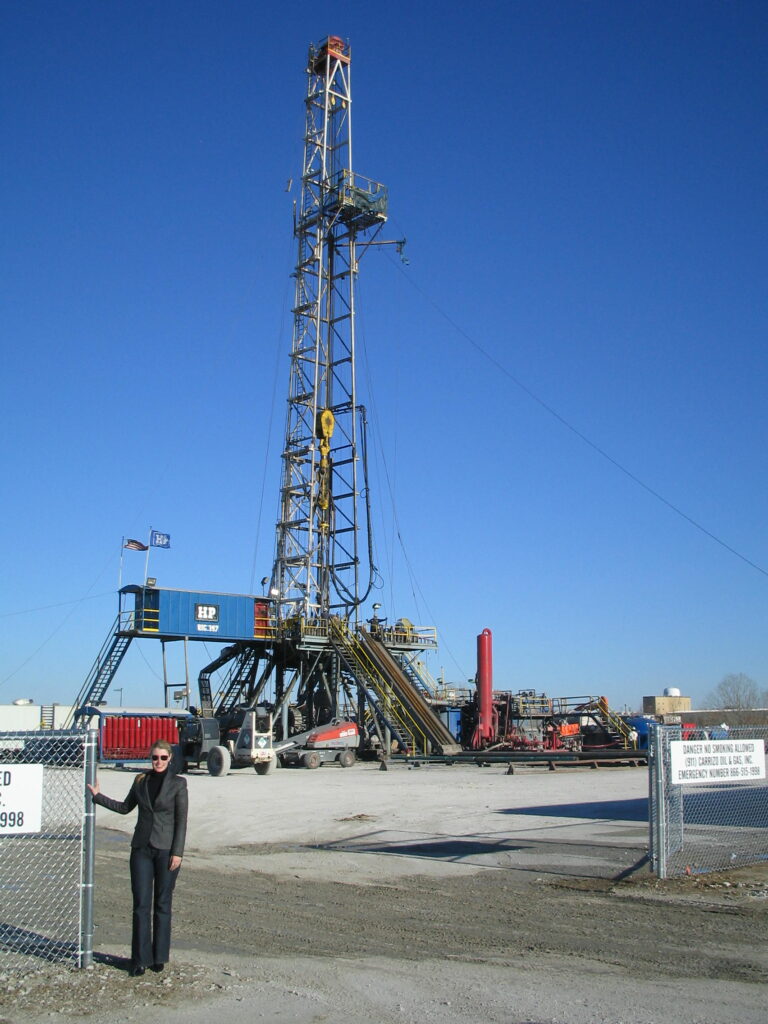
This wildcatter mentality—named for the oil industry risk-takers who drill exploratory wells in unproven areas—has guided Ragan through a diverse career spanning fashion, oil and gas, and real estate. Today, she stands as one of the few remaining independent local investors in a Dallas market increasingly dominated by institutional capital.
Understanding the Consumer Experience
Ragan’s approach to real estate was shaped by her earliest professional experiences, beginning as a 19-year-old intern at Neiman Marcus.
“At Neiman Marcus, you learned what’s so great about this piece of fabric, the designer, the maker, the stitching,” Ragan explains. “Then you’ve got the consumer. What is it that they like about this? How does it benefit me? How does it make me feel?”
This consumer-focused philosophy became her foundation across multiple industries. In oil and gas, she built relationships with property owners by educating them on how companies would care for their land and follow through on payments. Later, in real estate—particularly with projects like the historic rehabilitation of the Purse Building—she continued emphasizing storytelling and experience.
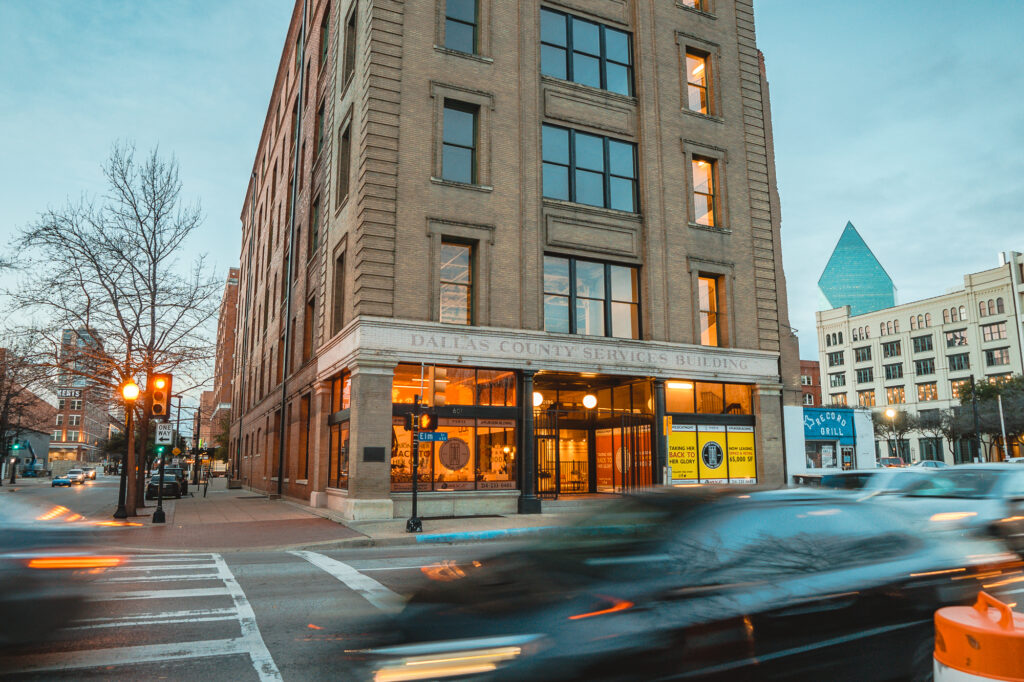
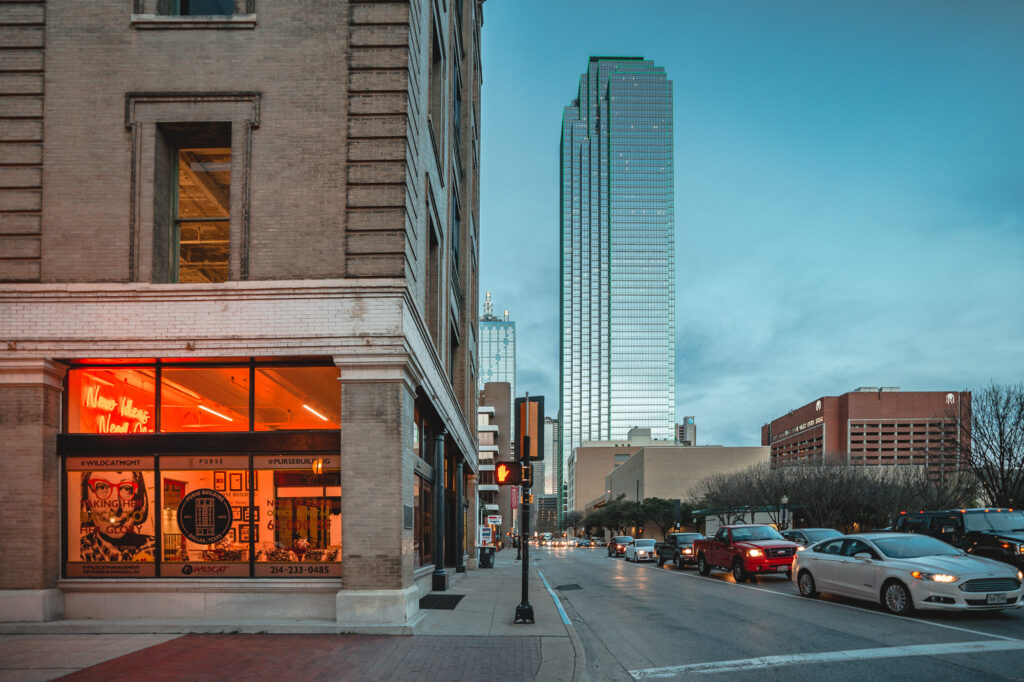
“We’re taking the Purse Building—a 100-year-old structure that had sat empty for 30 years and was boarded up… we found this fabulous history on it, an amazing family with an incredible name who ran a fabulous furniture store there for almost 50 years.”
Transforming Dallas’s Farmers Market
Ragan’s wildcatter spirit led her to see potential in overlooked areas, most notably Dallas’s Farmers Market district. What is now “the most successful neighborhood in all of downtown” was once just a collection of old warehouses and cold storage facilities.
“Almost 20 years ago that did not exist,” Ragan recalls. “Through advocacy and through combining all the various property owners, business owners, etc., we were able to organize, advocate at the local and state level to create this incredible neighborhood experience.”
This transformation represents the kind of district-wide impact that Ragan believes is increasingly difficult to achieve in today’s market. “That can’t happen today. Those days are over,” she observes. “You can come in, buy a building, or maybe assemble a couple parcels, but you can’t have that same type of impact.”
Adapting to a Changing Dallas
Dallas has undergone dramatic changes in recent years, with an influx of major financial institutions, real estate tech companies, and international investment. The city is experiencing a construction boom, with a $3 billion Convention Center development and numerous other projects reshaping the urban core.
As one of the few remaining local, independent developers in downtown Dallas—and notably, the only woman—Ragan recognizes that her approach needs to evolve.
“I am certainly in a state of evolution and evaluating what’s next,” she admits. “We have so much international institutional investment coming to our city that it is changing drastically.”
Rather than competing directly with institutional capital, Ragan is considering how she might apply her neighborhood-building expertise to smaller communities throughout Texas.
“What I recognize is some of the things that I have learned over the last decade, things like neighborhood experiences, creating these cool environments… it doesn’t need to be in a city of two million people,” she explains. “Whether it’s a town of 2,500 people or 100,000 people, there is a certain checklist that a lot of towns meet regardless of their size.”
Boots on the Ground: The Art of the Deal
Throughout her career evolution, Ragan has discovered that her greatest strength lies in direct involvement with projects rather than managing a large organization.
“What I’m really good at, intuitively, is being in the field and the art of the deal,” she says. “When I take myself too long away from the field, and all of a sudden I’m managing a lot of people… I am at my best when I am working the deal and in the field, really hands-on, boots on the ground.”
This realization has influenced her strategic thinking, particularly as she observes how growth in downtown Dallas has shifted from the center to the edges. “Growth now, organically, is all along the edge,” she notes, attributing this partly to the pandemic’s impact on office occupancy in the central business district.
When asked about converting office buildings to residential use—a trend in many urban markets facing vacancies—Ragan is skeptical about its viability in Dallas, particularly for the 1980s high-rise towers that dominate downtown.
“These office to residential conversions are very, very difficult,” she explains. Dallas office users typically want either brand-new buildings with all the amenities or historically significant properties with character and edge.
Looking Forward: The Thrill of the Hunt Continues
As Ragan contemplates her next moves, she remains committed to pushing creative boundaries and seeking new challenges. “It’s important to me personally to constantly evolve and learn and grow and do new things and push myself creatively,” she says.
She continues to be active in the broader real estate community, serving as a judge for SMU’s inaugural Hilltop Founders pitch competition and speaking frequently at women’s events in the industry. Tanya was recently named a Texas Icon by REDnews, a recognition that reflects her impact and influence across the state’s real estate sector.
“I do think it’s important for women to see other women in these positions and in these roles,” Ragan notes, highlighting her commitment to mentorship in a field where female leaders remain relatively rare.
For this modern-day wildcatter, the thrill of the hunt continues—whether in downtown Dallas or in smaller communities throughout Texas. As markets evolve and institutional capital reshapes urban centers, Ragan’s adaptability and entrepreneurial spirit position her to find opportunity where others might not be looking—the essence of the wildcatter approach.
This article was sourced from a live expert interview.
Every month we conduct hundreds of interviews with active market practitioners - thousands to date.
Plainfield, Illinois, about 40 minutes southwest of Chicago, spent the last two decades building itself into a family-oriented suburb with good schools, highway access, and prices well below neighboring Naperville. That growth phase worked. Families moved in, raised children, and put down roots. Now many of those original homeowners are entering retirement, and their homes ...
In a city with enough inventory to give buyers real leverage, the segment of the Houston housing market that should be busiest, homes priced between $300,000 and $600,000, is among the slowest to move. Properties below $300,000 are attracting first-time and value-oriented buyers, and listings above $500,000 continue to draw move-up purchasers with less rate ...
Most small mountain towns in the American West have a straightforward real estate story: pandemic-era demand inflated prices, and now those prices are correcting. Taos County, New Mexico, is not following that pattern. Per-square-foot prices there are still climbing, according to Karen Todd, a real estate professional with The Dragonfly Group at Berkshire Hathaway HomeServices ...
A declining median price usually signals a cooling market. In Northeast Dallas, the story is more complicated. The number of homes selling in 2026 has actually increased compared to 2024 and 2025, according to Cindy Dunnican of The Dunnican Team at Coldwell Banker Apex, who has worked the Northeast Dallas market since 1998. But the ...
Large builders in Delaware call their homes “affordable” when prices start at $300,000 to $350,000. For workers earning 40 to 80 percent of the area median income, roughly $35,000 to $60,000 a year in Delaware, those numbers don’t work, even with down payment assistance attached. The gap between what programs label affordable and what service-industry ...
Homeowners who bought during the 2022–2023 building boom in parts of southern Dallas-Fort Worth are discovering an uncomfortable reality: the new homes going up next door are priced at or below what they paid. For sellers who need to exit, the math often doesn’t work. Some are coming to the table with cash beyond their ...