
Let Us Help:1 (855) CREW-123
KeyCrew Journal Logo
Steve Marcinuk
28 Sep 2026

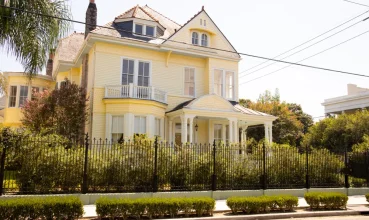
New Orleans doesn’t have much room to grow outward. Surrounded by water and constrained by geography, the metro can’t absorb demand the way Houston or Phoenix can through suburban expansion. That physical limitation shapes nearly everything about how the market behaves, from where prices move to which neighborhoods attract new interest. It also means that ...

Alejandra Rodriguez
28 Sep 2026

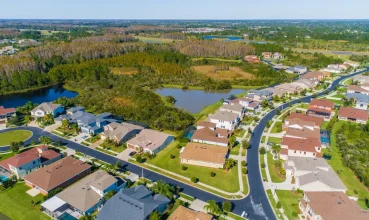
The Tampa Bay housing market absorbed one of the country’s largest pandemic-era population surges. Prices climbed sharply as out-of-state buyers competed for limited inventory. Now the correction is underway, and it is not just pushing prices down. It is changing which properties sell, which neighborhoods hold value, and what buyers are willing to tolerate in ...

Steve Marcinuk
25 Sep 2026

The industrial real estate market across the western United States has absorbed a wave of post-pandemic construction, but not evenly. Large-format warehouses and distribution buildings drove both headline capital flows and elevated vacancy in markets from Seattle to Phoenix. One segment, however, has been largely absent from the construction pipeline: small and mid-bay multi-tenant industrial ...

Alejandra Rodriguez
25 Sep 2026

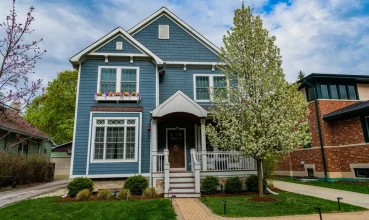
The south suburbs of Chicago offer some of the most affordable housing in the broader metro area. But that affordability comes with an asterisk: property taxes high enough to reshape buying decisions, push investors toward the exits, and force first-time buyers into a narrower set of viable neighborhoods than listing prices alone would suggest. That ...

Alejandra Rodriguez
25 Sep 2026

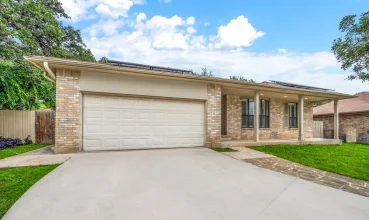
In most Texas metros, the conversation about housing affordability centers on rising prices. In San Antonio, the pressure is coming from a different direction: pre-owned homes are sitting unsold while builders undercut them on price, financing, and condition, according to Katie Powers, a team lead and broker with the Lifestyles of San Antonio team. The ...

Steve Marcinuk
25 Sep 2026

Developers and operators across the U.S. have historically treated interior design as one of the last line items in a project budget, something applied after the structural and financial decisions were already made. That hierarchy is under pressure. Construction financing has gotten more expensive: 30-year construction loan rates have hovered near 6.5 percent through 2026, ...

Alejandra Rodriguez
25 Sep 2026

For years, the mortgage industry’s affordability conversation has centered on one variable: interest rates. When rates fall, more buyers qualify. When they rise, the pool shrinks. That framework is increasingly incomplete. Rising insurance costs and elevated consumer debt loads, built up over several years of a difficult borrowing and cost-of-living environment, are creating qualification barriers ...