Home prices across Chicago’s western suburbs remain high enough that short-term investors cannot execute the buy-low half of a flip. With roughly one and a half months of single-family inventory across DuPage County, according to Debbie Pawlowicz, owner and designated managing broker at DPG Real Estate Agency in Lisle, Illinois, sellers have little reason to discount. For investors willing to hold property longer, the calculus changes – but the entry price still demands scrutiny.
Pawlowicz works with buyers and sellers across Lisle, Naperville, and the surrounding western suburbs. She says the current pricing environment makes short-term investment plays difficult to justify.
The Flip Margin Has Disappeared
Updated, well-maintained homes are drawing multiple offers above asking price. Even homes sitting longer on the market – typically those with deferred maintenance or unusual layouts – are not discounted enough to create the spread a flipper needs between acquisition cost and after-renovation value.
“The flipping really quickly is not happening right now,” Pawlowicz says. “Our homes are still selling for a premium.”
She notes that the investment math was more favorable during weaker years, when distressed or underpriced properties were easier to find. With buyer demand strong and local consumer confidence holding, few sellers are willing to accept below-market offers.
Buy-and-Hold Looks Different
For longer-term investors, the western suburbs present a stronger case. Rental prices in the area remain elevated, according to Pawlowicz, and the fundamentals supporting property values – diversified employment, commuter access to Chicago, and steady demand – do not depend on a single economic driver.
That employment diversity is central to the investment case. “We’re not a one industry town,” Pawlowicz says. For a buy-and-hold investor, that durability of demand matters more than the current entry price, because it speaks to whether rental income will hold over a longer window.
She also points to multifamily properties as a segment worth watching. For investors comfortable with property management and longer timelines, the combination of tight inventory, strong rental demand, and a diversified local economy favors patience over speed.
What Well-Positioned Homes Look Like
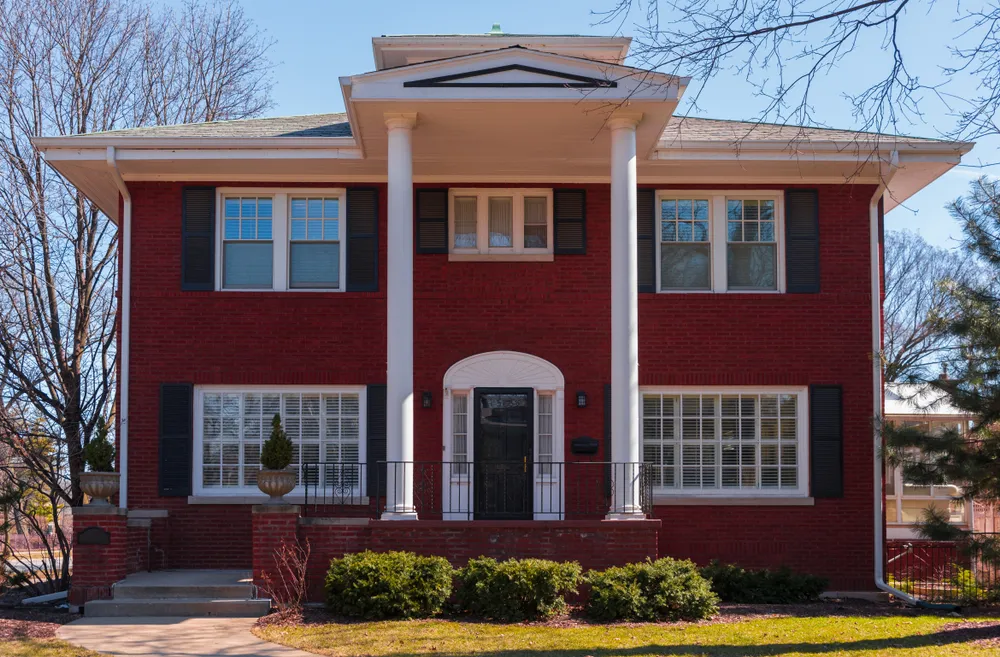
The pricing dynamic that blocks flippers also reveals what the market rewards. Pawlowicz describes a recent listing – the highest-priced home in its subdivision – that initially drew skepticism but attracted multiple offers and sold above asking price. The buyers included an appraisal gap waiver, signaling confidence in the home’s value beyond what a bank appraiser might confirm.
That first deal fell apart when the buyer backed out during the due diligence period. Pawlowicz says she is seeing more of this pattern: buyers competing aggressively to win a property, then reconsidering once they are under contract. After regrouping and repositioning the listing, she secured a second buyer at asking price.
The takeaway for sellers is that well-maintained, updated homes at every price level are still moving quickly. Homes that need work or carry above-market pricing without the condition to justify it are the ones sitting. “People are willing to pay for the homes that are looking really sharp,” Pawlowicz says. For investors, that means the properties available at a discount tend to be the ones requiring the most capital to bring to market – further compressing any potential flip margin.
The Risks in a Shifting Market
Pawlowicz expects the market to move toward more balance in the coming year, with more inventory entering the pipeline and buyers gaining more choices. If prices moderate even modestly, an investor who buys at today’s premium may see flat appreciation in the near term.
She acknowledges a disconnect between what she sees locally and national headlines describing a slower market. “What we’re seeing is not what we’re reading in the headlines,” she says. That gap means the local market may be stronger than national data suggests, but if broader economic conditions deteriorate, local insulation has limits.
Employment is the variable Pawlowicz watches most closely. “We are good as long as people are working, as long as people have jobs,” she says. For an investor evaluating the western suburbs, that is the foundational question – not what prices are doing this quarter, but whether the employment base supporting those prices can sustain them through a downturn.
Pawlowicz expects steady appreciation ahead rather than sharp gains, and she believes strategic positioning – pricing accurately, presenting homes well – will matter more than it has in recent years as buyers gain leverage. For investors, that means the western suburbs still reward capital, but only the patient kind.
About the Expert: Debbie Pawlowicz is the designated managing broker at DPG Real Estate Agency in Lisle, Illinois.
This article is intended for informational purposes only and does not constitute legal, financial, or investment advice. The views and opinions expressed herein reflect those of the individuals quoted and do not represent an endorsement of any company, product, or service mentioned. Readers should conduct their own due diligence and consult qualified professionals before making any investment decisions.