Let Us Help:1 (855) CREW-123
KeyCrew Journal Logo
Steve Marcinuk
02 Sep 2026

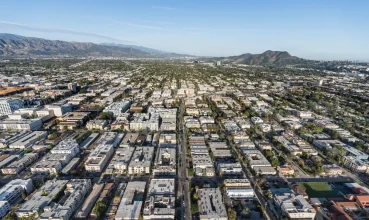
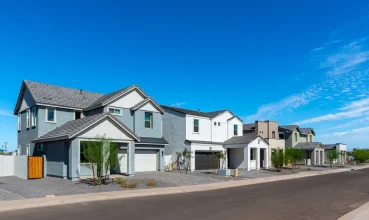
The Phoenix metro area has earned a reputation for softness in 2026, but individual submarkets tell a different story. In the East Valley, spanning Gilbert, Chandler, Mesa, Queen Creek, and San Tan Valley, the constraint is not a lack of buyers. It is a pricing standoff between sellers anchored to 2021-era expectations and buyers squeezed ...

Alejandra Rodriguez
02 Sep 2026

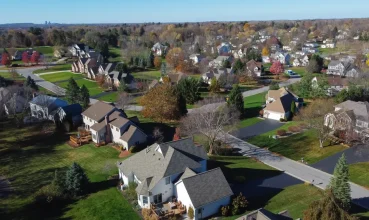
Central New York’s housing market is being reshaped by a single infrastructure project. The Micron chip fabrication facility under construction in Onondaga County has tightened inventory so severely that buyers are pushing 20 miles or more into surrounding counties to find available homes, creating a ripple effect that has doubled rents in some areas over ...

Alejandra Rodriguez
02 Sep 2026

A single rental property reclassified from residential to commercial in Tennessee does not just change a label on a tax roll; it triggers a 60% increase in the property tax assessment. In Rutherford County, the state’s fastest-growing county with nearly 400,000 residents and $81 billion in assessed real estate, that reclassification is now being imposed ...

Steve Marcinuk
01 Sep 2026

Over $112 billion has flowed into Opportunity Zones since the program’s creation, yet participation remains a fraction of what the program allows. Now that the One Big Beautiful Bill Act has made Opportunity Zones permanent, the gap between available capital and actual deployment raises a practical question: what is keeping developers and investors on the ...

Alejandra Rodriguez
01 Sep 2026

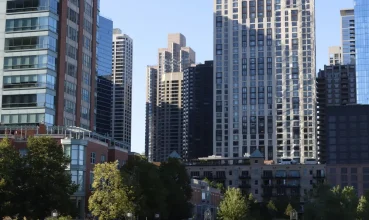
In most major U.S. metros, luxury residential prices have either recovered from pandemic-era disruptions or pushed past their 2019 peaks. In downtown Chicago, several of the city’s most invested-in neighborhoods, Gold Coast, Streeterville, Magnificent Mile, and parts of River North, remain flat to down over the past five years. That gap between Chicago’s trajectory and ...

Steve Marcinuk
01 Sep 2026

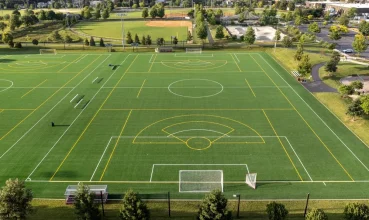
The youth sports tourism industry has grown large enough to anchor entire mixed-use developments, not just stadiums or standalone facilities, but full districts of hotels, retail, restaurants, and multifamily housing built around tournament-capable venues. In Lebanon, Ohio, a development group is betting that a field sports facility focused on soccer and lacrosse can serve as ...

Steve Marcinuk
01 Sep 2026

In Baltimore City, a property that sat vacant for 25 years with no roof and trees growing inside can become a fully rehabbed home selling to a buyer relocating from California or D.C. That transition is happening block by block, driven by coordination between developers, community associations, and city and state agencies that channels funding ...

Steve Marcinuk
28 Aug 2026

The New York metro area’s brokerage landscape is in the middle of a consolidation wave that hasn’t fully registered in national headlines. Small independent firms, many still operating out of storefronts in suburban towns, are finding it increasingly difficult to compete on technology, training, and compliance infrastructure against larger operations. According to Joe Moshe, founder ...

Alejandra Rodriguez
28 Aug 2026

The prevailing narrative about Austin, Texas, real estate in 2026 is that it’s a buyer’s market. National coverage has emphasized cooling prices, rising inventory, and a correction from pandemic-era peaks. But in West Austin, the cluster of communities including Bee Cave, Lakeway, Westlake, and Spicewood, the picture is considerably more fragmented. Depending on the neighborhood ...

Alejandra Rodriguez
28 Aug 2026

In a city where 95 to 98 percent of residential transactions involve homes roughly a century old, new construction doesn’t need to do much to stand out. But a small group of Chicago builders is pushing well past that low bar – delivering all-electric, high-performance homes into neighborhoods with significant vacant land, and finding that ...

Alejandra Rodriguez
27 Aug 2026

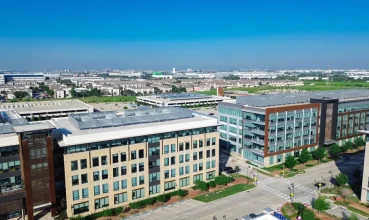
The appeal of building multifamily housing in fast-growing Sun Belt metros is obvious: job creation, population growth, and strong absorption fundamentals draw capital in waves. What gets less attention is the compounding operational stress that hits once dozens of developers enter the same market simultaneously and then, driven by lending cycles, start their projects within ...