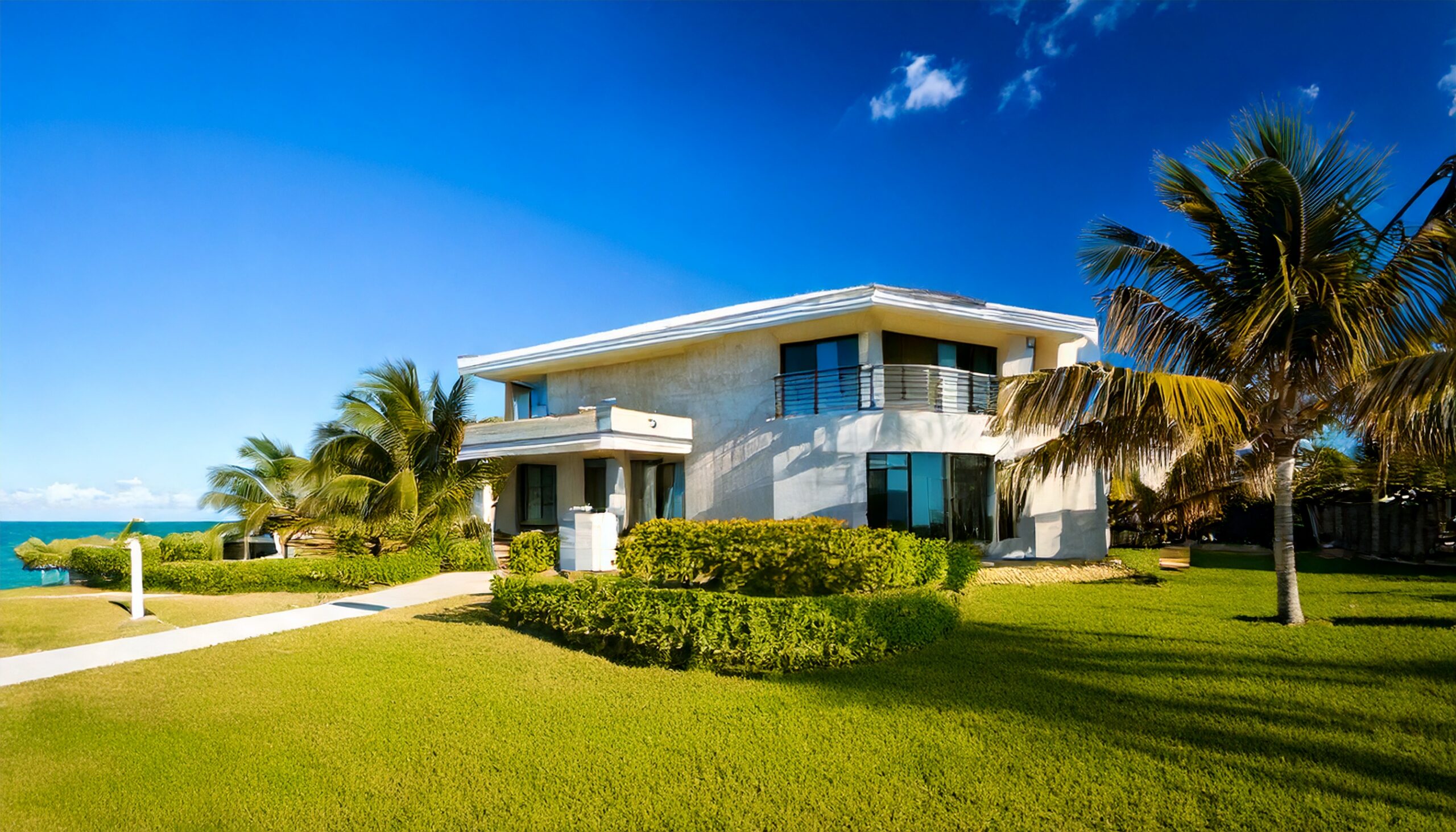
There is a growing divide in the Florida Keys housing market, and it runs along a single fault line: whether a buyer needs a mortgage. Cash buyers – many of them retirees and business owners from out of state – are driving the market’s strongest numbers. Buyers who depend on financing face compounding costs that have effectively priced out the demographic that once made up a large share of transactions.
Lisa Ferringo, a realtor with the Lisa Ferringo Group at Coldwell Banker Schmitt Real Estate Co. who has sold across the Keys for more than two decades, has watched this shift accelerate. Before the pandemic, she estimates roughly half her buyers came from elsewhere in Florida – many of them younger couples with children looking for a weekend or summer house. A waterfront home could be had for around $450,000, with a mortgage payment near $3,500 and manageable insurance and tax costs.
That buyer has largely disappeared. “That $3,500 mortgage payment is now 6,500 or 7,000,” Ferringo said. The families who once drove demand for entry-level Keys properties can no longer afford a weekend house.
Where the Money Comes From Now
The buyers replacing them look different. Ferringo described a mix of retirees, Midwest farmers, company owners, and small-business operators, many from Mid-Atlantic states – South Jersey, Maryland, Delaware – along with more affluent Florida buyers. The common thread is purchasing power that does not depend on favorable interest rates.
For cash buyers at the upper end, the Keys’ biggest cost headaches barely register. Citizens, Florida’s insurer of last resort, will not write policies on homes with replacement costs above a million dollars, according to Ferringo. That pushes mortgage-dependent buyers into private markets where premiums can be steep. But many cash buyers at the high end take a different approach – some carry no homeowners insurance at all, choosing to self-insure, especially on concrete-built homes they consider resilient enough to weather storms.
The same property can therefore be a viable purchase for one buyer type and financially unreachable for another. A cash buyer sees a waterfront concrete home and writes a check. A mortgage-dependent buyer sees monthly principal, interest, insurance, property taxes, and flood coverage that push the real cost far beyond the list price.
Rate Sensitivity Is Compounding the Problem
Even for mortgage-dependent buyers who can technically qualify, rate sensitivity is shaping behavior. With rates near 7 percent, Ferringo said the impact is tangible: “That’s definitely put a little bit of a damper on the investor market.”
Ferringo’s approach with financing-dependent clients is to explore seller concessions – asking sellers to buy down mortgage points for the first couple of years, with the expectation that refinancing becomes possible if rates decline. Her framing to clients: “Marry the house, not the rate,” because a home’s price appreciation is permanent while a rate is temporary. But that strategy depends on seller willingness and does not solve the insurance cost problem that hits on top of the mortgage.
Deals are falling apart over these compounding costs. Ferringo said the most common reasons transactions collapse are sticker shock when the full mortgage-plus-insurance number arrives, and home inspection findings that reveal deferred maintenance – a frequent issue with second homes whose owners are not on-site to catch problems. Buyers in the Keys want a home they can use immediately, Ferringo said. “They want to go fishing, they want to come in, they want it furnished. They want to hop on their boat and have fun. They’re not here to oversee any renovation.”
What This Means for Buyers Who Need Financing
The Keys amplify the cost squeeze that mortgage-dependent buyers face across Florida. Construction costs are among the highest in the state – Ferringo said local builders now charge $700 to $1,200 per square foot for concrete construction. The market’s 180-mile-per-hour wind code – the highest in Florida, according to Ferringo – makes building materials and methods more expensive by design. And unlike mainland Florida, there is no nearby suburb where prices drop enough to offer relief.
For buyers who need financing, the Marathon and Key Colony Beach submarkets still support weekly vacation rentals, which can offset carrying costs. Ferringo said a good rental property there could book roughly 46 weeks a year. But the gap between what a property can earn and what it costs to carry on a financed basis is wider than it was before the pandemic.
The financial picture is substantially more complex than the listing price suggests. Insurance, wind coverage, flood insurance, property taxes, and potentially high renovation expenses can rival the mortgage payment itself. For properties above a million dollars in replacement cost, buyers may need to budget for private wind insurance that Citizens will not cover – a cost most first-time Keys buyers do not anticipate until deep into the transaction, according to Ferringo. Buyers relying on financing need to map out those layered costs before committing to a purchase price, not after.
About the Expert: Lisa Ferringo leads the Lisa Ferringo Group, covering the Florida Keys market since relocating from Miami.
This article is intended for informational purposes only and does not constitute legal, financial, or investment advice. The views and opinions expressed herein reflect those of the individuals quoted and do not represent an endorsement of any company, product, or service mentioned. Readers should conduct their own due diligence and consult qualified professionals before making any investment decisions.