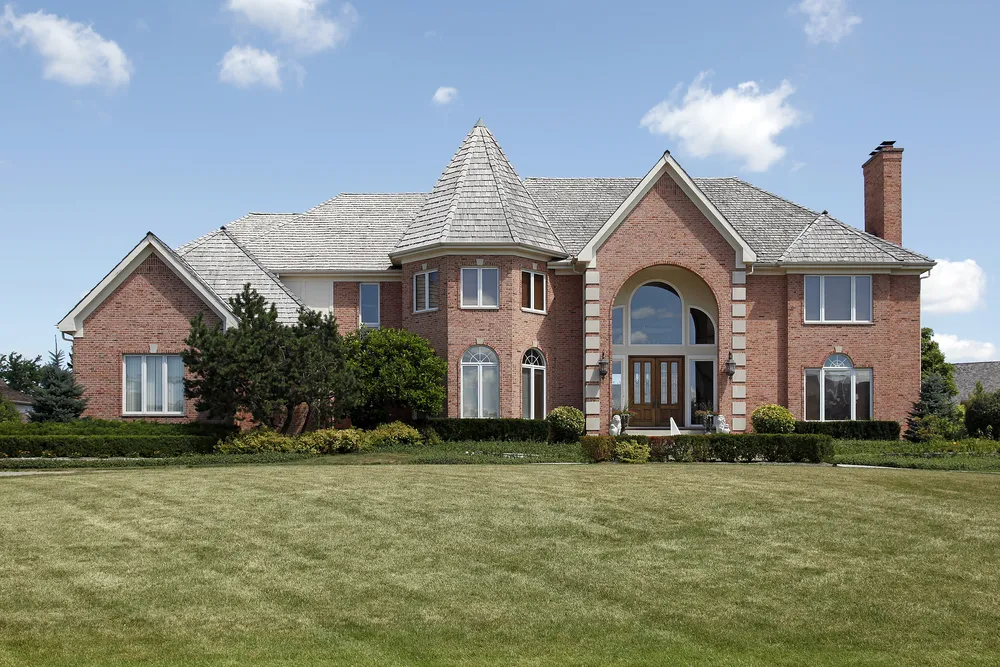
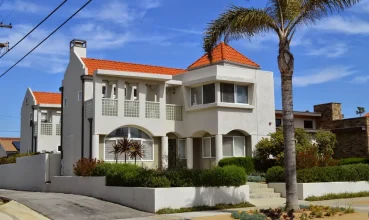
In a pair of small Dallas suburbs with no mountain views and no waterfront, the median home price in Highland Park is roughly $4.6 million. The premium has little to do with scenery. According to Eve Sullivan, who has sold real estate in the Park Cities for 26 years with the Sullivan Tillery Group, the wave of coastal relocators who arrived in recent years did not just spike demand temporarily – they reset what homes cost in Highland Park and University Park, and prices never came back down.
Buyers arriving from California, New York, Connecticut, Seattle, and more recently the Palm Beach area looked at Park Cities homes and saw a discount relative to what they left behind. Sullivan puts it plainly: “They thought our prices were cheap and it drove all of our prices up.”
That repricing has stuck. Local buyers who had been tracking the market for years now face a cost structure shaped by out-of-state incomes. For anyone shopping these neighborhoods today, the higher prices are not a temporary overshoot. They are the new baseline.
Why Prices Have Not Corrected
In many U.S. housing markets, a demand surge eventually cools and prices soften. Sullivan says that has not happened here: “They haven’t really gone down since then.” The forces driving relocation into Dallas have not faded.
Texas has no state income tax, which continues to attract both individuals and corporations. Financial firms including Goldman Sachs and JP Morgan are expanding their Dallas presence. Tech companies are opening offices on Turtle Creek, minutes from the Park Cities without a highway commute. Sullivan says the relocation pipeline she sees in her current listings is dominated by out-of-town buyers, not local movers. At her listing on Belclaire, priced at just under $12 million, nearly every prospective buyer has been relocating from outside Texas.
That sustained inflow means there is no natural pressure valve. In a typical suburban market, prices might soften when local incomes cannot support them. But in the Park Cities, the buyer pool is national, and many arriving incomes are benchmarked to coastal compensation.
Land Scarcity Locks in the Floor
The pricing floor gets harder to crack when land enters the equation. The Park Cities cover a small, fully built-out footprint – Highland Park has roughly 9,000 residents, University Park under 30,000. There is almost no vacant land left. Years of teardown-and-rebuild cycles have consumed most remaining lots.
Sullivan recently sold two adjacent lots on Beverly Drive – 70 by 225 feet each – for $5.5 million with no structure or improvements. “Just for the dirt,” she says. When the underlying land costs millions, the finished home prices accordingly.
Sullivan says “the land price really drives our real estate market.” And because supply cannot expand – you cannot annex new territory into these incorporated cities – the constraint is permanent. Some builders buy land and resell it to other builders or to end users who want to build custom homes, but each transaction pushes the cost higher.
What Draws Buyers Beyond Price
The Park Cities attract buyers through a combination of proximity and schools. Highland Park Independent School District is one of the top-ranked public school systems in Texas. The district serves both cities with five elementary schools, one intermediate school, one middle school, and one high school. For families who prefer private education, Dallas offers St. Mark’s, Hockaday, Ursuline, Jesuit, and several co-ed options.
Beyond schools, Sullivan points to walkable commercial areas like Highland Park Village and Snyder Plaza near Southern Methodist University, along with the Katy Trail – a former railroad track converted into a walking and biking path that now connects to White Rock Lake. Many residents work nearby at the Crescent or at Old Parkland, where a new Auberge hotel and additional offices are under development. Sullivan says buyers value being able to reach work, dining, and recreation without getting on a highway.
Where Demand Is Strongest
Not every price tier moves at the same pace. Sullivan says homes priced under $9 million are generally selling faster. Above that threshold, inventory is thinner but takes longer to move.
Sullivan notes that the next two years are likely to bring additional corporate relocations. She sees continued inbound demand from the Bay Area, Seattle, and the financial centers on the East Coast – a pattern she expects to keep upward pressure on Park Cities pricing. As she puts it: “We don’t have any views, we don’t have any mountains.” The value is entirely driven by schools, proximity, and a self-reinforcing cycle of affluent buyers competing for a fixed amount of land.
About the Expert: Eve Sullivan is a veteran of the Park Cities market in Dallas, Texas, with Allie Beth Allman & Associates.
This article is intended for informational purposes only and does not constitute legal, financial, or investment advice. The views and opinions expressed herein reflect those of the individuals quoted and do not represent an endorsement of any company, product, or service mentioned. Readers should conduct their own due diligence and consult qualified professionals before making any investment decisions.