In Anderson, South Carolina, the number most sellers fixate on when listing a home – what similar properties sold for recently – may be the reason their listing sits unsold. Builders sitting on unsold new construction have cut prices aggressively enough that the past twelve months of sales data no longer reflects what buyers actually face when they start shopping, according to Ala Chappelear, founder of Chappelear & Associates at Keller Williams in Anderson. Her team closed $54 million in volume last year, according to the company’s own figures. Chappelear says the pricing disconnect she is seeing in 2026 is one she has not encountered since 2012 or 2013.
Why Sold Comps No Longer Track the Market
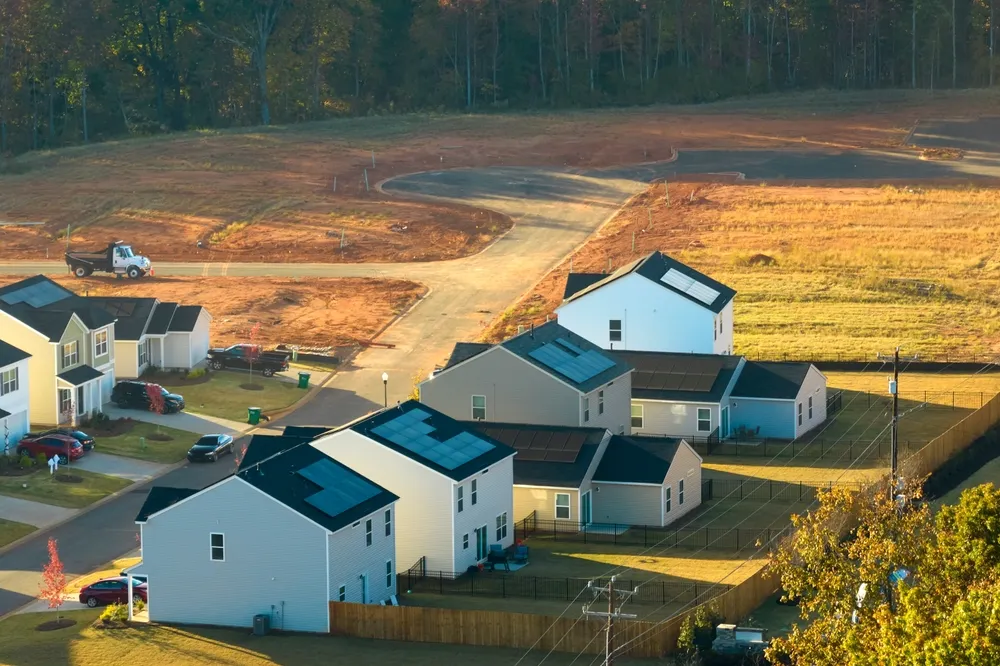
Anderson has seen a wave of new construction over the past several years, driven by strong inbound migration – South Carolina has ranked among the top five states for inbound moves recently, according to Chappelear. Builders followed the demand. But as interest rates rose and buyer confidence weakened through early 2026, that new inventory started to pile up.
Builders responded by cutting prices and offering incentives. That created a cascading problem for anyone reselling a home – particularly homes purchased as new construction just a year or two ago. Chappelear describes situations where a home bought for $420,000 or $430,000 two years ago now needs to be listed at $385,000 or $390,000 to compete. Sellers are not just failing to gain equity – they are taking real losses. And when they try to match a builder’s price, the builder drops again, because new construction still carries an edge over almost-new in a buyer’s mind.
A seller who looks at the last twelve months of sales data might conclude their home is worth $500,000. But if 25 active listings in the same range sit below that number, entering at $500,000 means entering at the top of a pile no one is reaching.
Price Against Active Listings, Not Past Sales
Chappelear says sellers need to set their list price based on the active inventory they are competing against, not on what has already sold. She estimates that if roughly five or six homes in a given segment are likely to sell in the next couple of months based on current absorption, a listing needs to land in that bottom tier by price to have a realistic shot. “If we’re number 15 on the price list, what’s there to say that we’re going to sell?” she says.
That is a hard conversation. Sellers coming out of years where every listing gained equity are not conditioned to hear that their home should be priced below recent sales. Chappelear says many resisted price reductions through the spring and summer, only to watch their listings go stale.
The exception is a home that offers something the competing new construction does not – a pool, a larger lot, a more desirable parcel. Those features can justify a higher entry price. But for homes without a clear differentiator, condition and price are the only levers. Chappelear calls the current dynamic “a beauty contest and the price war.”
Presentation Carries More Weight Than It Has in Years
A resale home competing against new construction needs to look its best. Chappelear says sellers with pets or children should walk through the property with a critical eye, because a buyer who can see a brand-new model home down the street will not overlook scuffed baseboards or cluttered rooms. Staging, cleanliness, and professional photography are baseline requirements now, not extras.
The risk of overpricing is not just a slow sale – it is a stale listing that forces a larger reduction later. For homes in the $300,000 to $450,000 range in Anderson, Chappelear’s team is seeing price reductions become the norm, and the reductions are starting from a lower baseline than sellers expected.
The Buyer Pool Is Unlikely to Grow Soon
Chappelear says buyer hesitation runs deeper than interest rates alone. She points to rising cost of living, stock market volatility, and political uncertainty – including tariffs and ongoing international conflicts – as factors eroding consumer confidence. Many buyers who were pre-qualified earlier in the year paused their searches after rates ticked up in February 2026, hoping for relief that has not arrived.
The buyers still active, Chappelear says, are mostly those who have no choice – people relocating, upsizing, or downsizing on a fixed timeline. Buyers who can wait are waiting. Most economic forecasts she tracks point to rates holding steady or rising, which means the buyer pool is unlikely to expand in the near term.
For sellers in Anderson’s mid-price range, the pricing decision that matters most is not how much the home would have fetched a year ago. It is whether the list price lands low enough in the current active inventory to attract one of the buyers still in the market.
About the Expert: Ala Chappelear is the founder of Chappelear & Associates under Keller Williams Realty in Anderson, South Carolina.
This article is intended for informational purposes only and does not constitute legal, financial, or investment advice. The views and opinions expressed herein reflect those of the individuals quoted and do not represent an endorsement of any company, product, or service mentioned. Readers should conduct their own due diligence and consult qualified professionals before making any investment decisions.