In a typical home sale, a buyer who discovers problems during inspection can negotiate a lower price, and the seller – motivated to keep the deal together – often agrees to meet somewhere in the middle. That expectation is so deeply ingrained that many buyers carry it straight into a bank-owned purchase, where it does not apply. Tamika Marks, owner and managing broker of Trademarks & Associates, LLC, who has handled corporate-owned and distressed property sales across the Chicago area for 23 years, says that instinct is the single most common reason these transactions collapse before closing.
The cycle works like this. A bank-owned listing draws heavy interest. Multiple offers come in. The bank’s representative asks every bidder for their highest and best price. A buyer stretches to win – and then, after getting the property under contract and completing inspections, asks the bank to lower the price. In Marks’s experience, that request is rejected almost every time.
The Highest-and-best Trap
The phrase “highest and best” carries a specific weight in a bank-owned transaction that many buyers do not appreciate until it is too late. When a bank or its servicer solicits your highest and best offer, they are asking you to name the number you are fully prepared to pay. It is not an opening position. It is not the start of a negotiation. “Once you determine that this is your highest and best offer, you have to be ready to stand by it,” Marks said.
That matters because the property is almost certainly being sold as-is. Banks holding REO inventory generally do not make repairs. The listing price already reflects the property’s distressed condition. When a buyer bids above asking and then circles back after inspection requesting a reduction, the bank’s position is firm: you saw what this was, you named your price, and they accepted it.
Marks described the dynamic plainly: a buyer offered $20,000 more than what the bank was asking and then wanted to reduce the price. From the seller’s side, the logic holds. They had a stack of offers. They took yours because it was the highest. Reversing that number undermines the entire process.
What Happens When a Deal Falls Apart
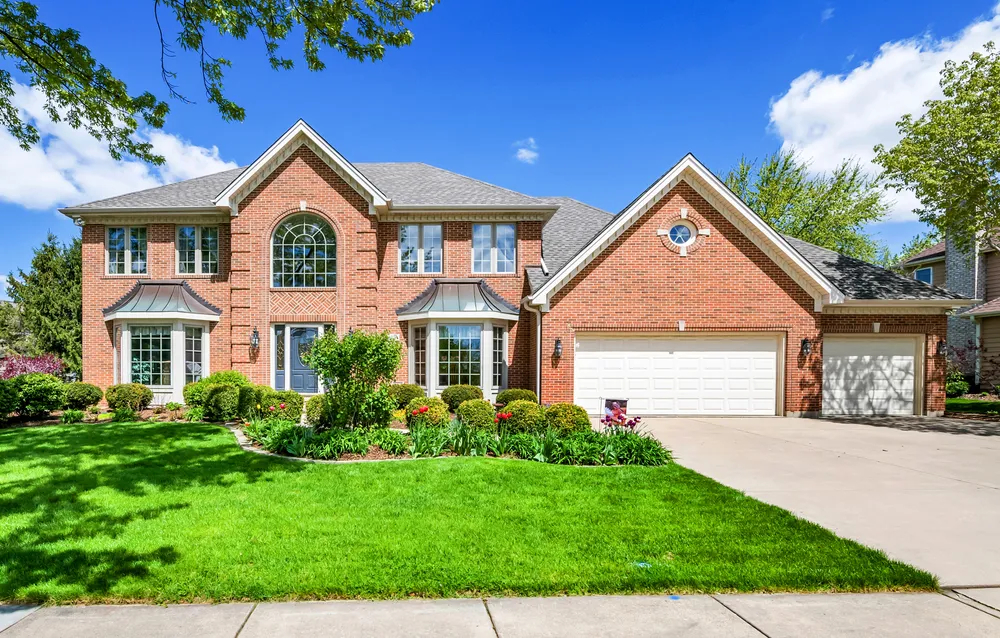
In a recent Naperville listing Marks handled, the first buyer could not get the bank to agree to a price reduction after going under contract. The deal collapsed. The property went back on the market, and the bank pulled from the existing pool of 26 total offers to find a second buyer willing to close at the agreed price.
That outcome is not unusual, according to Marks. When a first buyer fails, the bank often does not have to start over. They already have a ranked list of backup offers. The buyer who overbid and then tried to negotiate down loses the property – along with the inspection costs, the appraisal fees, and the weeks invested.
The risk is sharpest for owner-occupant buyers competing against investors. Investors in this space tend to understand the as-is terms and price their offers accordingly. Marks estimates that 95% of her listings ideally should go to an investor or someone comfortable making significant repairs. Most owner-occupant buyers are looking for cosmetic fixes at most, and the gap between what they expect and what the property requires is where deals break down.
Why the Buyer Pool Narrows Fast
The condition of most bank-owned inventory limits who can realistically close. Marks said her properties rarely qualify as move-in ready. Even listings in desirable neighborhoods attract interest but fail to convert owner-occupant buyers once the full scope of needed work becomes clear. Anything beyond cosmetic damage – particularly structural issues – pushes the typical homebuyer out of contention.
A property Marks sold in Chicago’s Woodlawn neighborhood illustrates the pattern. The home had structural problems that ruled out most conventional buyers. It took 68 days to find a buyer prepared to take on that level of work. A non-conforming two-unit in Englewood posed a different challenge: the city of Chicago can require a new owner to convert a non-conforming property back to its original use at change of ownership, a risk that further narrows the buyer pool.
The Question to Ask Before Bidding
For buyers considering a bank-owned property in Chicago, the pattern Marks describes creates a specific problem. If you are not comfortable paying your offer price after discovering the full scope of the property’s condition, your bid is too high. There is no negotiation cushion built into this process.
Marks identified overbidding as one of three main reasons distressed deals fall apart, alongside poor communication with lenders and underestimating what it takes to make the home livable. Overbidding is the one buyers have the most control over – and the one most likely to blindside someone accustomed to the give-and-take of a traditional home purchase.
Competition for these properties remains stiff. That Naperville property drew 26 offers across two activation periods. Walking in with a disciplined number means you may lose. But walking in with an inflated number – hoping to claw some back later – is, in Marks’s experience, the more expensive mistake.
About the Expert: Tamika Marks is the owner and managing broker at Trademarks & Associates in Chicago, focused on corporate-owned asset disposition — REO sales, reverse mortgage liquidations, and bank-owned properties across the city’s South Side and surrounding suburbs, for 23 years.
This article is intended for informational purposes only and does not constitute legal, financial, or investment advice. The views and opinions expressed herein reflect those of the individuals quoted and do not represent an endorsement of any company, product, or service mentioned. Readers should conduct their own due diligence and consult qualified professionals before making any investment decisions.